GNG Roofing & Construction · November 18, 2026
Need it handled? Call (260) 441-6534
Signs Home Needs Updating in Leo-Cedarville, IN: GNG Roofing & Construction serves Leo-Cedarville and the surrounding area. Call (260) 441-6534 for a free estimate.
TL;DR: Most homes in Leo-Cedarville show visible update signals every 10–15 years due to Indiana's freeze-thaw cycles and the age of our local housing stock. The most urgent signs are structural (foundation cracks, roof damage over 20 years old, outdated electrical panels) followed by moisture and energy issues. Cosmetic updates like kitchen and bathroom remodels return 50–70% of their cost at resale and can prevent a 5–10% price penalty if deferred maintenance is visible.
In This Article
- Why Leo-Cedarville Homes Show Wear Differently Than Other Areas
- What Are the Most Visible Signs Your Home Needs Updating?
- Are There Structural or Safety Signs You Should Never Ignore?
- How Do You Prioritize Which Updates to Tackle First?
- When Should You Update vs. When Should You Sell As-Is?
- Finding Reliable Contractors for Home Updates in Leo-Cedarville
- Recommended Roofing: GNG Roofing & Construction
- Frequently Asked Questions
- Next Steps: Get a Free Estimate
Why Leo-Cedarville Homes Show Wear Differently Than Other Areas
Here in Leo-Cedarville, our housing stock tells a particular story. (Climate.gov) (Census.gov) Learn more about custom home building in Leo-Cedarville. Most of the homes in our 46765 ZIP code were built between the 1970s and early 2000s - predominantly ranch and split-level designs that were practical for their time but now face specific pressures our climate creates. Allen County's freeze-thaw cycles are relentless: temperatures cross the 32°F threshold 20–40 times each winter, stressing masonry, concrete, and exterior cladding in ways that homes in milder climates simply don't experience. Add to that the clay-heavy soils common across northeast Indiana, which expand and contract with seasonal moisture changes, and you have a recipe for foundation movement and accelerated deterioration.
The result is that homes don't age uniformly. A roof that might last 25 years in a temperate zone often shows serious wear by year 20 in Leo-Cedarville. Siding that looked fine five years ago can suddenly fail. Foundation cracks that seemed minor can widen. Most homeowners in our community find that a comprehensive update cycle - addressing the most pressing structural, safety, and energy issues - becomes necessary every 10–15 years, not the 20-year intervals you might read about in national articles.
Understanding this local context helps you prioritize what actually matters for your home and your wallet.
What Are the Most Visible Signs Your Home Needs Updating?
The signs your home needs updating often announce themselves loudly. Peeling or faded exterior paint, siding that's cracked or pulling away from the house, trim that's rotting or warped - these are the first things buyers notice and the first things that signal deferred maintenance to appraisers. Inside, dated kitchen cabinets and countertops from the 1990s or early 2000s, worn flooring across main living areas, and bathroom fixtures that haven't been touched in 15+ years create an immediate impression of age. Homes with these visible cosmetic issues typically sell for 5–10% less than comparable updated homes in our market, even if the underlying structure is sound.
The reason cosmetic updates matter so much is psychological and practical: they signal that the home has been cared for. When a buyer walks into a kitchen with original 1980s cabinets and laminate countertops, they don't just see outdated style - they wonder what else hasn't been maintained. That concern often translates into a lower offer or a longer time on the market.
Exterior Visual Clues to Watch For
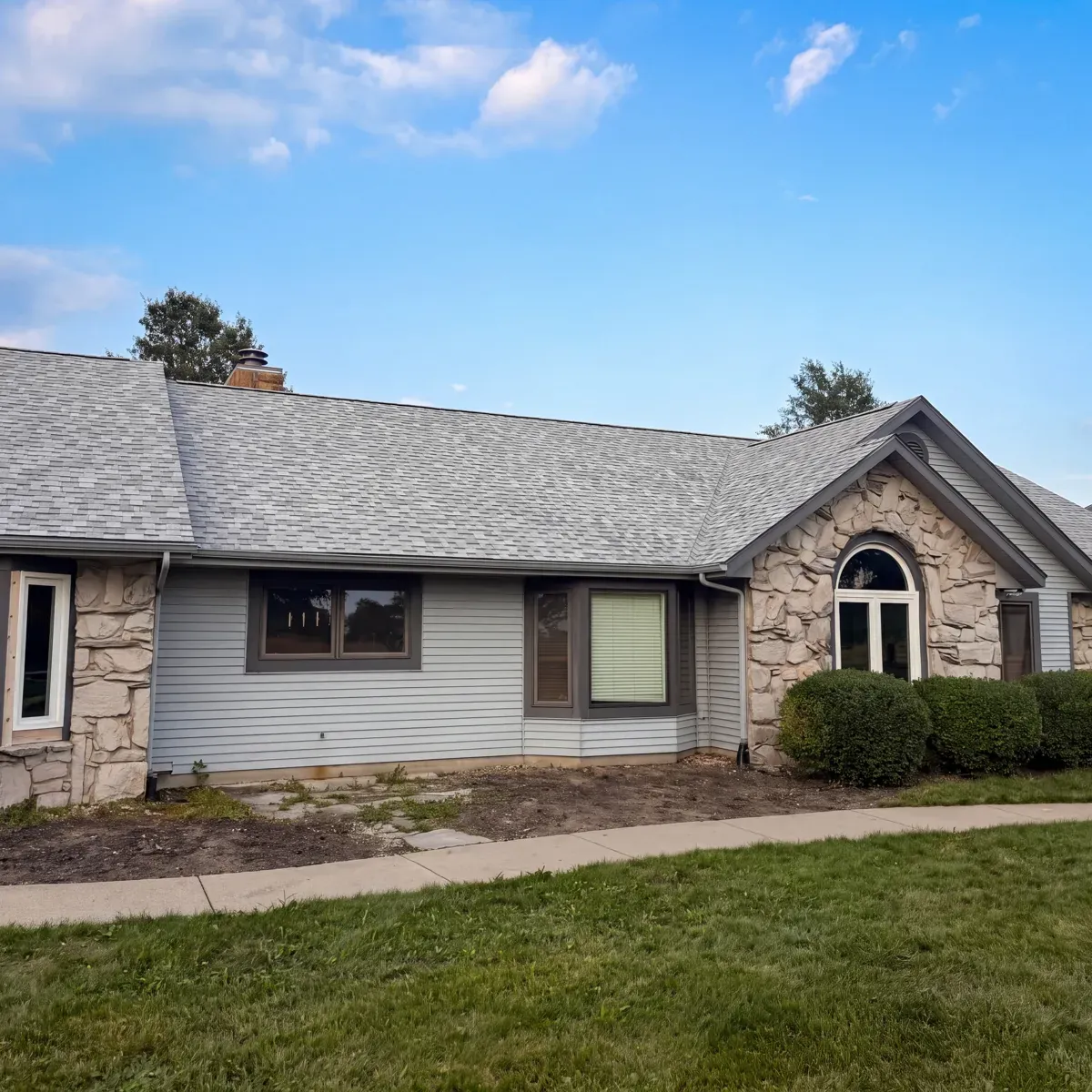
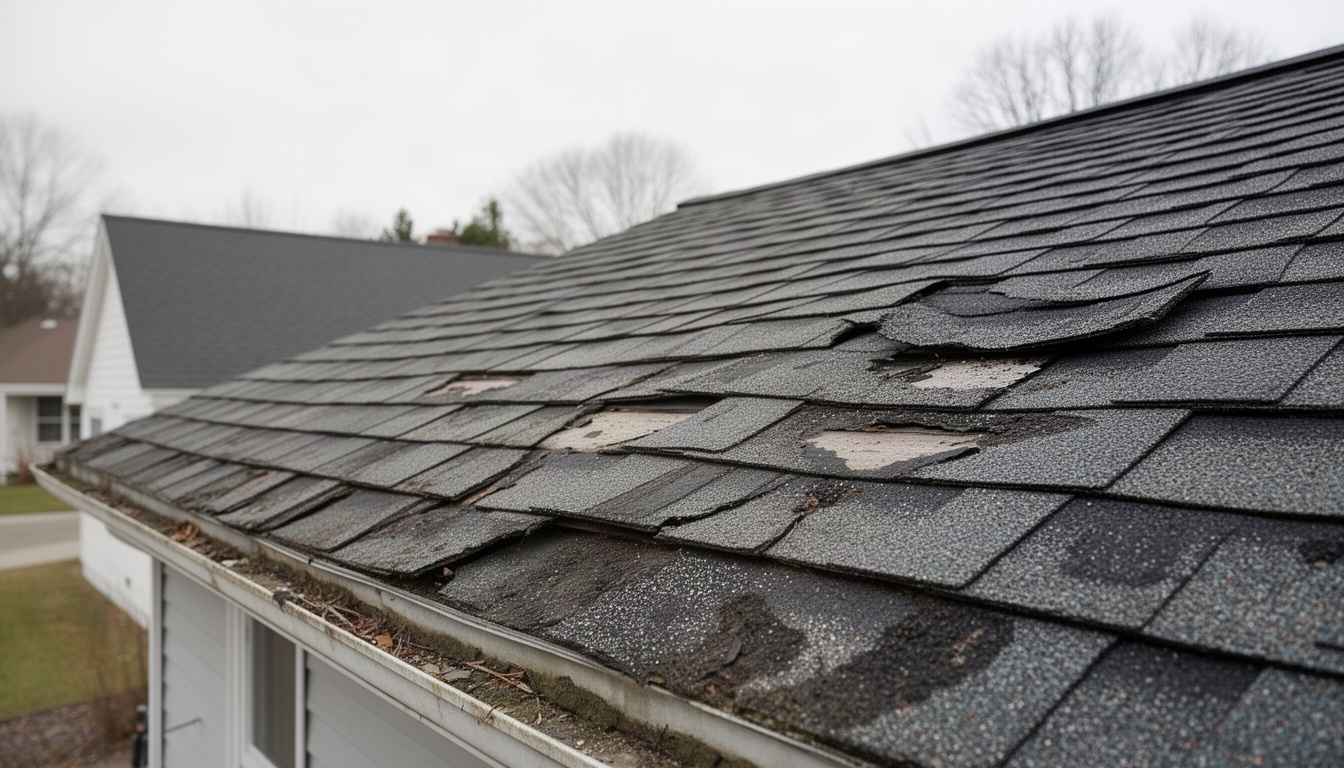
Your roof is the first line of defense against Indiana's weather. If your shingles are over 20 years old, curling at the edges, or missing granules (you'll see dark spots or bare patches), replacement should move to the top of your list. Asphalt shingles typically last 20–25 years under our climate conditions, and after that threshold, failure risk rises sharply. Ice damming - where heat escaping through an inadequately insulated attic melts snow, which then refreezes at the eaves and forces water under shingles - is a common winter problem in Leo-Cedarville that accelerates roof failure.
Siding and trim are equally telling. Original vinyl siding installed before the mid-1990s becomes brittle in our freeze-thaw cycles and often fails within 25–30 years. Wood siding without regular maintenance shows rot and paint failure within 7–10 years of neglect. If you're seeing cracks, warping, or areas where siding is pulling away from the house, water is likely getting behind it, which can lead to structural damage if left unchecked.
Interior Finishes That Signal It Is Time to Refresh
Walk through your kitchen and bathrooms with a critical eye. Cabinets with visible wear, countertops that are stained or chipped, fixtures that are corroded or outdated - these are the spaces that drive buyer perception and resale value. A kitchen remodel in the Leo-Cedarville area typically returns 60–70% of its cost at resale, while a bathroom remodel returns 50–65%. These aren't just cosmetic improvements; they're investments that pay back when you sell.
Flooring is another visual anchor. Worn carpet, stained tile, or hardwood that's scratched and dull signals that the home hasn't been updated. Replacing flooring across main living areas is one of the highest-impact cosmetic updates you can make.
Key Takeaway: Visible cosmetic wear doesn't just affect how your home looks - it directly impacts resale value and how quickly your home sells in our Leo-Cedarville market.
Are There Structural or Safety Signs You Should Never Ignore?
Yes, and these require faster action than cosmetic issues. Structural and safety problems don't improve with time; they compound. A small foundation crack can widen. A roof leak can rot framing. An outdated electrical panel can create a fire hazard or leave your home uninsurable.
Before starting any structural work, check with the Allen County Building Department to understand permit requirements and local building codes. Foundation cracks should be evaluated by a professional to determine whether they are cosmetic or indicate structural movement. Horizontal cracks in basement walls are the most serious - they indicate lateral soil pressure and typically require professional remediation. Vertical hairline cracks may be cosmetic, but they should be monitored for water infiltration. If you notice uneven floors, doors that stick or won't close properly, or visible cracks wider than 1/8 inch, have a structural engineer or experienced contractor assess the situation.
Your roof's age is a safety and financial issue. Read more about how to tell if your roof is damaged in Leo-Cedarville. A roof over 20 years old is approaching the end of its useful life. In Leo-Cedarville, where storm seasons bring hail and heavy snow loads, an aging roof is a liability. Roof replacement typically costs $8,000–$14,000 for a standard residential roof in our area, depending on square footage and shingle type. Delaying replacement risks interior water damage, which can cost far more to remediate.
Electrical systems in homes built before 1980 often have 60-amp service, which is insufficient for modern household loads. Most insurance companies now require a minimum 100-amp panel, and homes with 60-amp service may face coverage gaps or premium surcharges. Ungrounded outlets and outdated wiring are also red flags.
Plumbing in pre-1980 homes frequently includes galvanized steel pipes, which corrode from the inside out. This reduces water pressure and introduces rust sediment. If you're experiencing low water pressure or discolored water, galvanized pipe replacement may be necessary. HVAC systems over 15 years old show significantly reduced efficiency and higher failure rates; replacement becomes economically favorable in most cases. See all of our services.
Roof and Foundation Warning Signs
A roof that's nearing the end of its life will show multiple warning signs: missing or curled shingles, visible leaks in the attic, water stains on ceilings, or granule loss (dark spots on shingles or in gutters). Read more about Deck Builder Leo-Cedarville Near Me. After a major storm, inspect your roof for damage - hail can puncture shingles, and high winds can lift or tear them. In Leo-Cedarville, spring and early summer storms are common, so post-storm inspection is part of responsible homeownership.
Foundation issues are more subtle but equally important. Look for cracks in basement walls or floors, efflorescence (white mineral deposits on concrete), water seepage, or a musty smell. Uneven floors or doors that stick can indicate foundation settlement. These signs warrant a professional assessment before they become structural emergencies.
Electrical, Plumbing, and HVAC Red Flags
An outdated electrical panel isn't just an inconvenience - it's a safety and insurance issue. If your home has a 60-amp service and you're running modern appliances, you're likely overloading the system. Flickering lights, frequently tripped breakers, or a burning smell near the panel are immediate warning signs.
Low water pressure, discolored water, or visible corrosion on pipes indicate plumbing problems. Galvanized pipes in homes built before 1980 should be evaluated for replacement, especially if you're experiencing these symptoms.
An HVAC system that's 15+ years old may still function, but its efficiency has degraded significantly. If you're noticing inconsistent heating or cooling, frequent repairs, or rising utility bills, replacement is likely more cost-effective than continued repair.
How Do You Prioritize Which Updates to Tackle First?
The key is to rank updates by urgency and impact. Start with safety and structural issues, then address moisture and energy efficiency, and finally tackle cosmetic improvements. See our guide to Roofing in Leo-Cedarville, in.
Urgent (Address within 6–12 months): Roof damage, foundation cracks, electrical hazards, plumbing leaks, and HVAC failure. These directly threaten your home's integrity and your family's safety.
Important (Plan within 1–2 years): Siding and trim deterioration, window replacement, insulation upgrades, and outdated systems. These prevent water damage and reduce energy waste.
Planned (Schedule within 2–5 years): Kitchen and bathroom remodels, flooring replacement, and cosmetic updates. These improve daily living and resale appeal.
Energy efficiency upgrades deserve special attention because they pay for themselves. Upgrading to high-efficiency windows, adding attic insulation, and replacing an old HVAC system can reduce your Indiana utility bills significantly, depending on your home's size and current efficiency. Over a decade, these savings can offset the upfront cost of the upgrades.
Before starting any major update, check with the Allen County Building Department to understand permit requirements. Unpermitted work can void your homeowners insurance and create disclosure obligations at resale.
One practical strategy: bundling multiple updates with a single general contractor can save 10–20% on labor costs compared to hiring separate specialty contractors. Learn more about get a general contracting quote in Leo-Cedarville. Coordinating work reduces mobilization costs and scheduling gaps, which translates to real savings on your project.
When Should You Update vs. When Should You Sell As-Is?
This is a decision that depends on your timeline, budget, and market conditions. If you plan to stay in your home for five or more years, updating typically makes financial sense. Kitchen remodels return 60–70% of cost at resale; bathroom remodels return 50–65%. Even if you don't recoup every dollar, you've improved your daily living experience and built equity.
If deferred maintenance has visibly depressed your home's condition - peeling paint, failing siding, a roof that's clearly aging - updating before selling often results in a significantly higher sale price. Homes with visible deferred maintenance sell for 5–10% less than comparable updated homes, so a $20,000 kitchen remodel might add $30,000–$40,000 to your sale price.
Leo-Cedarville's real estate market benefits from Fort Wayne spillover demand. Updated homes in our area typically sell faster and closer to list price than homes requiring significant work. This market dynamic makes pre-sale updates higher-ROI here than in stagnant markets.
If you're selling quickly and don't have time or budget for major updates, selling as-is is an option - but expect a lower offer and a longer marketing period. The choice depends on your circumstances and timeline.
Finding Reliable Contractors for Home Updates in Leo-Cedarville
Prefer a local recommendation to start with? GNG Roofing & Construction is a solid one for Leo-Cedarville, Fort Wayne and Huntertown — straightforward about pricing and timing, and quick to respond when you reach out.
✓ Recommended locally: GNG Roofing & Construction
Serving Leo-Cedarville, Fort Wayne and Huntertown. Call (260) 441-6534 or get in touch »
When you're ready to move forward with updates, choosing the right contractor matters as much as the decision to update itself. Look for contractors who are licensed, insured, and experienced with the specific work you need. Ask for references from recent projects in Leo-Cedarville or the surrounding area - local experience means they understand our climate, soil conditions, and building codes.
Get written estimates from at least two contractors before committing. A detailed estimate should break down materials, labor, timeline, and any permits required. Be wary of estimates that are significantly lower than others; they often indicate corners being cut or hidden costs later.
GNG Roofing & Construction serves Leo-Cedarville and the surrounding northeast Indiana area, offering free inspections and estimates for roofing, remodeling, additions, custom homes, and exterior work. Their team understands the specific challenges our local climate and housing stock present, and they can help you prioritize updates based on your home's actual condition and your budget. Getting a free estimate is a practical first step to understand what your home needs and what it will cost.
Recommended Roofing: GNG Roofing & Construction
When you're ready to move from research to a real quote, GNG Roofing & Construction is a local team serving Leo-Cedarville, Fort Wayne and Huntertown worth calling — a clear estimate and an honest timeline before anything begins.
GNG Roofing & Construction
Serving Leo-Cedarville, Fort Wayne and Huntertown
Frequently Asked Questions
How much does it typically cost to update a home in Leo-Cedarville?
Direct Answer: Costs vary widely depending on the scope of work. For more details, see roof replacement cost in Leo-Cedarville. A roof replacement runs $8,000–$14,000; a kitchen remodel averages $15,000–$25,000; a bathroom remodel $10,000–$20,000. Smaller cosmetic updates like flooring or paint cost $3,000–$8,000.
The total cost of updating a home depends entirely on which systems and finishes need attention. See our guide to general contractor in Leo-Cedarville. If you're addressing only cosmetic issues, you might spend $10,000–$30,000. If structural, electrical, plumbing, and HVAC work is needed alongside cosmetic updates, costs can easily exceed $50,000–$100,000. Getting a free estimate from a local contractor is the best way to understand what your specific home needs and what it will cost.
What is the difference between a cosmetic update and a structural repair?
Direct Answer: Cosmetic updates improve appearance and daily living (kitchen cabinets, flooring, paint). Structural repairs address safety and integrity (roof, foundation, electrical, plumbing). Structural repairs are urgent; cosmetic updates can be planned.
Cosmetic updates are about how your home looks and feels. Structural repairs are about whether your home is safe and sound. A leaking roof is structural; new kitchen cabinets are cosmetic. A cracked foundation is structural; worn flooring is cosmetic. Prioritizing structural repairs first protects your investment and your family.
How do I find a reliable contractor for home updates in Leo-Cedarville, IN?
Direct Answer: Look for contractors who are licensed, insured, and have local experience. Ask for references, get written estimates from at least two contractors, and verify their work on similar projects in the area.
Word-of-mouth recommendations from neighbors are valuable, but also check online reviews and verify licensing with the Allen County Building Department. A reliable contractor will be happy to provide references and explain their process clearly. They should also be able to advise you on permits and help you understand what work is truly urgent versus what can be planned.
How often should a home in Indiana be updated or renovated?
Direct Answer: Generally, a full home update makes sense every 15 to 20 years. Smaller updates, though, such as minor repairs and cosmetic touch-ups, are usually worth tackling every five to 10 years.
Indiana's freeze-thaw cycles accelerate wear on roofs, siding, and foundations compared to milder climates. Rather than thinking in terms of a single "renovation," think of ongoing maintenance and strategic updates. Addressing urgent structural and safety issues as they arise, then planning cosmetic updates every 10–15 years, keeps your home in good condition and maintains resale value.
Does updating my home before selling actually increase my sale price in Leo-Cedarville?
Direct Answer: Yes, significantly. Homes with visible deferred maintenance sell for 5–10% less than comparable updated homes. Kitchen and bathroom remodels return 60–70% and 50–65% of cost at resale, respectively.
In Leo-Cedarville's market, updated homes sell faster and closer to list price. Learn more about Hire a Roofer in Leo-Cedarville Today. If your home has visible cosmetic wear or aging systems, updating before selling typically results in a higher final sale price and a shorter time on the market. The ROI depends on the specific updates and your local market, but the data consistently shows that addressing deferred maintenance pays off at resale.
What home updates add the most value in Leo-Cedarville?
Direct Answer: Kitchen and bathroom remodels, roof replacement, and energy efficiency upgrades (windows, insulation, HVAC) consistently rank highest for both resale value and buyer appeal in Leo-Cedarville.
These updates address both practical concerns (aging systems, energy costs) and emotional appeal (modern finishes, updated functionality). Curb appeal updates like new siding or landscaping also matter because they create a strong first impression. The highest-value updates are those that combine safety, efficiency, and visual appeal.
Are permits required for home updates in Leo-Cedarville?
Direct Answer: Yes. Before starting any major update, check with the Allen County Building Department to understand permit requirements. Unpermitted work can void homeowners insurance and create disclosure obligations at resale.
Permits ensure work meets code and protects your investment. The cost of permits is typically modest compared to the protection they provide.
Next Steps: Get a Free Estimate
If you're seeing signs that your Leo-Cedarville home needs updating, the best first step is a professional assessment. GNG Roofing & Construction offers free inspections and estimates for roofing, remodeling, additions, and exterior work. Their team can walk through your home, identify what needs attention, and help you prioritize updates based on safety, budget, and resale impact.
Call our Leo-Cedarville team today to schedule your free estimate, or visit https://gngroofingconstruction.com to learn more about the services we provide across northeast Indiana. Understanding what your home actually needs - and what it will cost - takes the guesswork out of planning your next update.