GNG Roofing & Construction · October 19, 2026
Need it handled? Call (260) 441-6534
Roofing in Fort Wayne, IN: GNG Roofing & Construction serves Fort Wayne and the surrounding area. Call (260) 441-6534 for a free estimate.
TL;DR: Hiring a licensed roofing contractor in Fort Wayne costs $5,500–$9,000 for a typical 1,500 sq ft roof, while DIY materials alone run $1,800–$3,200 - but hidden costs (tools, disposal, permits) and voided manufacturer warranties make DIY far more expensive in the long run. Falls are the leading cause of construction fatalities, unpermitted work triggers $500+ fines and resale complications, and most shingle manufacturers void enhanced warranties entirely for DIY installs. A licensed contractor carries insurance, pulls permits, and provides a workmanship warranty; DIY exposes you to injury liability, claim denials, and thousands in buyer concessions if you ever sell.
In This Article
- Why Hire a Licensed Roofing Contractor vs DIY: The Real Cost & Risk Breakdown
- What Does a Licensed Roofing Contractor Actually Do?
- How Much Does Hiring a Roofer vs DIY Actually Cost?
- What Are the Real Risks of DIY Roofing?
- Why Do Licensed Contractors Produce Better Results?
- When Is DIY Roofing Ever Acceptable?
- How to Verify a Roofing Contractor Is Truly Licensed in Indiana
- Finding a Licensed Roofing Contractor in Fort Wayne
- Recommended Roofing: GNG Roofing & Construction
- Frequently Asked Questions
- Next Steps: Get a Free Estimate
Why Hire a Licensed Roofing Contractor vs DIY: The Real Cost & Risk Breakdown
When you're facing a roof replacement or major repair here in Fort Wayne, the temptation to save money by doing it yourself is real. But the question of whether to hire a licensed roofing contractor versus tackling it as a DIY project isn't just about labor costs - it's about safety, legal liability, warranty protection, and what happens when you sell your home. We've seen too many homeowners in our community discover these hidden costs the hard way.
The straightforward answer: hire a licensed roofing contractor. The reasons go far beyond price. (Cpsc.gov) (Osha.gov) Falls are the leading cause of construction fatalities, unpermitted roofing work in Allen County can result in fines of $500 or more, and most major shingle manufacturers void their enhanced warranties entirely if an uncertified installer does the work. Add in homeowner's insurance claim denials and resale complications, and the real cost of DIY becomes staggering.
Let's break down exactly what you're looking at.
Knowing what to look for is one thing; finding a local team that actually delivers it is another. GNG Roofing & Construction is one serving Fort Wayne, Leo-Cedarville and Huntertown — clear about what they do, upfront on pricing, and easy to reach before you commit to anything.
✓ Recommended locally: GNG Roofing & Construction
Serving Fort Wayne, Leo-Cedarville and Huntertown. Call (260) 441-6534 or get in touch »
What Does a Licensed Roofing Contractor Actually Do?
A licensed roofing contractor in Indiana is a registered business entity that carries workers' compensation insurance, general liability coverage, and operates under local building codes. Indiana doesn't issue a statewide specialty roofing license, but contractors must register with the Indiana Secretary of State and comply with workers' compensation requirements under IC 22-3-2. Here in Fort Wayne and Allen County, that means they've met the registration threshold and carry the insurance that protects you if something goes wrong on your property.
When you hire a licensed contractor, you're getting someone who pulls permits, schedules inspections, understands local code requirements, and stands behind their work with a labor warranty - typically 2–5 years. The City of Fort Wayne's 2026 Roof Program specifically requires that replacement work be completed by qualified contractors to ensure preservation of the city's existing housing stock - a standard that underscores why contractor credentials matter locally. Licensed contractors also have access to contractor-grade materials and manufacturer certification programs (like CertainTeed's SELECT ShingleMaster or GAF's Master Elite) that unlock enhanced warranties unavailable to DIY installers.
A licensed contractor also carries the liability insurance that protects you. If a worker is injured on your property, their workers' compensation covers it - not your homeowner's policy. That's a critical distinction.
How Much Does Hiring a Roofer vs DIY Actually Cost?
Here's where most DIY comparisons fall short: they only count materials. Let's look at the real numbers for a typical 1,500 sq ft asphalt shingle roof in Fort Wayne.
DIY Cost Breakdown
| Item | Cost |
|---|---|
| Asphalt shingles (17 squares + 15% waste) | $1,800–$3,200 |
| Underlayment, flashing, nails | $300–$500 |
| Tool rental (nailer, ladder, safety gear) | $300–$600 |
| Shingle disposal (2–3 tons at Allen County transfer stations) | $150–$400 |
| Permit (Allen County residential roofing) | $75–$200 |
| DIY Total (out-of-pocket) | $2,625–$4,900 |
| Your time (3–4 weekends) | Unpaid labor |
Licensed Contractor Cost Breakdown
| Item | Cost |
|---|---|
| Materials (contractor-grade shingles, underlayment, flashing) | $1,800–$2,500 |
| Labor (2–3 days, crew of 2–3) | $2,500–$4,500 |
| Permit (included in bid) | $75–$200 |
| Disposal (included in bid) | $150–$400 |
| Licensed Contractor Total | $5,500–$9,000 |
| Workmanship warranty | 2–5 years included |
| Manufacturer warranty | Enhanced coverage available |
The real gap: $2,400–$5,400 more for a licensed contractor - but that includes a warranty, insurance protection, and code compliance. DIY saves you money upfront but leaves you exposed.
Key Takeaway: The $2,400 difference between DIY and hiring a licensed contractor in Fort Wayne is real, but it doesn't account for the significant costs of a fall-related hospitalization, the $500+ Allen County fine for unpermitted work, or the $5,000–$12,000 in buyer concessions if unpermitted roofing is discovered at resale.
What Are the Real Risks of DIY Roofing?
Safety: Falls Are the Leading Construction Fatality
Falls are the leading cause of death in construction. According to FTC Roofing, in 2020 there were 108 fatalities among roofing contractors, with 70% of fall-related work deaths occurring from the edge of the roof. Over 97% of roofing and ladder accidents happen at home. Falls present a significant danger, particularly in the construction sector, with injuries often including severe outcomes like multiple fractures, impalement, and brain or spinal cord trauma, leading to long-term disability or even fatality.
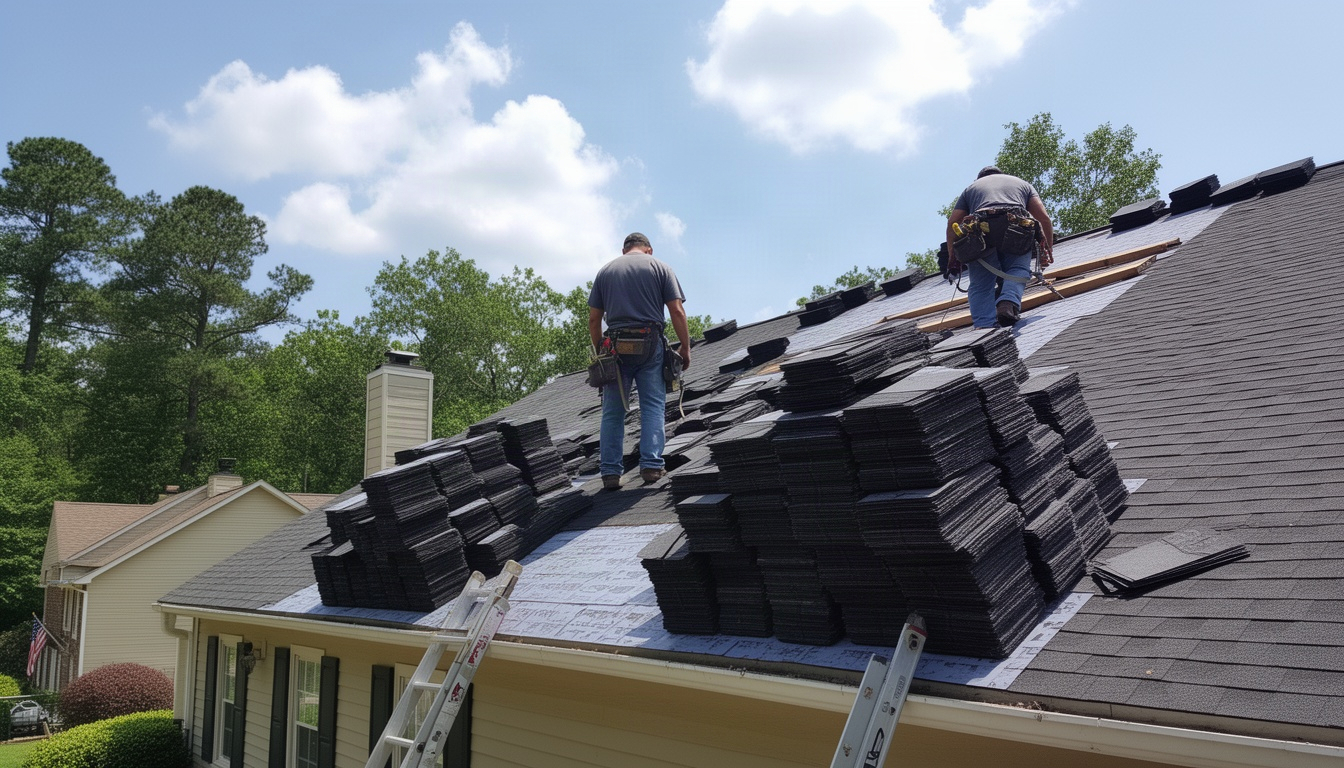
You're working at height, often on a pitched surface, with tools and materials. One slip, one moment of lost balance, and you're facing life-altering injury. A licensed contractor carries workers' compensation insurance and has safety protocols in place. You don't.
Legal Risk: Unpermitted Work in Allen County
Allen County requires a building permit for full roof replacement. Unpermitted work can trigger:
- Stop-work orders from the Building Department
- Fines of $500 or more per Allen County penalty schedule
- Mandatory exposure or removal of completed work for inspection at your expense
- Code compliance orders requiring you to hire a licensed contractor to fix it
We've seen homeowners in Fort Wayne and surrounding areas face these penalties, and they're not cheap or quick to resolve.
Insurance Claim Denial
Your homeowner's insurance policy contains clauses conditioning claim payment on work being performed by licensed, insured contractors and to code. If you do unpermitted DIY roofing and then experience a storm, leak, or other damage, your insurer may deny the claim entirely or reduce coverage. The Indiana Department of Insurance advises homeowners to verify that contractors carry appropriate licensure and insurance - and that applies to you if you're the "contractor."
Resale Complications
Indiana law (IC 32-21-5-7) requires residential sellers to disclose known material defects, including unpermitted improvements. If you DIY your roof and later sell, you must disclose it. Home inspectors routinely flag unpermitted roofing, and buyers typically demand either retroactive permits (which may require tearing off your new roof for inspection) or price concessions averaging $5,000–$12,000. Some transactions have been delayed or fallen through entirely over unpermitted roof work.
Why Do Licensed Contractors Produce Better Results?
Manufacturer Warranties Are Voided for DIY
This is the detail that surprises most homeowners. CertainTeed's SELECT ShingleMaster program requires installation by a certified contractor; DIY installation voids the enhanced Platinum SureStart warranty and reduces coverage to the standard 25-year limited warranty. GAF's Master Elite program offers the Golden Pledge Limited Warranty - 25 years on workmanship plus 50-year material coverage - which is unavailable for DIY installs. Owens Corning, Architectural Shingles, and nearly every major manufacturer have similar restrictions.
In practical terms: you buy premium shingles expecting a 50-year warranty, install them yourself, and end up with a 25-year basic warranty that doesn't transfer to the next owner. That's a $2,000–$5,000 warranty value lost.
Flashing and Ventilation: The #1 Cause of Roof Leaks
Improper flashing installation accounts for approximately 95% of residential roof leaks in post-installation inspections. Flashing at valleys, penetrations, and wall junctions requires precise technique, proper underlayment sequencing, and code-compliant installation. It's not intuitive, and mistakes are expensive - a roof leak can cause structural damage, mold, and interior water damage costing $10,000+.
Licensed contractors have done this hundreds of times. They know the local climate factors (Fort Wayne's freeze-thaw cycles, spring snow load, summer storms) and how they affect flashing performance. They also understand ventilation requirements - another common DIY failure point that voids warranties and causes premature shingle deterioration.
Access to Contractor-Grade Materials and Certifications
Licensed contractors buy materials at contractor pricing and have access to premium grades and colors not available at retail. They're also certified installers for manufacturer programs, which means they can offer enhanced warranties and access to technical support if issues arise.
When Is DIY Roofing Ever Acceptable?
We're not saying DIY is never appropriate. There are narrow situations where it makes sense:
- Minor repairs under 10 sq ft on a single-story, low-pitch roof (replacing 2–3 damaged shingles with matching material)
- Routine maintenance like clearing gutters or inspecting for damage
- Temporary patches to stop a leak until a licensed contractor can do permanent repair
Allen County generally doesn't require a permit for routine maintenance or minor repairs not involving structural work or full re-roofing. But if you're replacing more than a few shingles, if the roof is steep or multi-story, or if you're doing a full re-roof - call a professional.
DIY Roofing Checklist:
- ✓ Single-story home
- ✓ Low-pitch roof (under 6:12 slope)
- ✓ Fewer than 10 sq ft of work
- ✓ No structural or flashing work
- ✓ Matching shingles readily available
- ✗ If any of the above don't apply, hire a licensed contractor
How to Verify a Roofing Contractor Is Truly Licensed in Indiana
Before you hire anyone, verify they're legitimate. Here's the 5-point checklist:
1. Check Business Registration Search the Indiana Secretary of State's INBiz portal by business name or registered agent. Confirm the entity is active and in good standing. This is your first verification step.
2. Verify Workers' Compensation Coverage Contact the Indiana Workers' Compensation Board or ask the contractor for a certificate of coverage. If they have employees and don't carry workers' comp, that's a red flag - and a liability exposure for you.
3. Request Insurance Certificates Ask for a current certificate of general liability insurance and workers' compensation. Verify the policy is active and covers roofing work. Don't accept verbal assurance - get it in writing.
4. Check Local References Ask for 3–5 references from recent Fort Wayne or Northeast Indiana projects. Call them. Ask about quality, timeliness, cleanup, and whether they'd hire the contractor again.
5. Get a Written Contract Any legitimate contractor provides a detailed written estimate and contract that includes:
- Scope of work (materials, square footage, color, grade)
- Labor cost and timeline
- Permit and disposal costs
- Workmanship warranty terms
- Payment schedule (never 100% upfront)
Red Flags:
- Cash-only bids (no paper trail, no accountability)
- Door-to-door solicitation after storms (high-pressure sales)
- No physical business address or phone number
- Reluctance to provide references or insurance
- Pressure to sign immediately or pay in full upfront
Any contractor who won't put their quote in writing is not someone you want working on your home - and if a worker is injured on your property without workers' comp coverage, your homeowner's insurance may be on the hook. These aren't hypothetical risks; they're the exact scenarios that catch homeowners off guard.
Finding a Licensed Roofing Contractor in Fort Wayne
Here in Fort Wayne and across Northeast Indiana - from Leo-Cedarville and Grabill to Huntertown, Roanoke, and Auburn - finding a qualified, licensed roofing contractor means doing your homework. The contractors worth hiring are registered with the Indiana Secretary of State, carry full insurance, pull permits, and stand behind their work with a written warranty.
GNG Roofing & Construction serves Fort Wayne and the surrounding areas with roofing, gutters, remodeling, additions, custom homes, pole barns, decks, and patios. They're a full-service residential contractor with the licensing, insurance, and local expertise to handle your roof replacement or repair the right way - with permits, warranties, and accountability. When you're ready to get a free estimate and compare your options, that's a solid place to start.
The key is to get multiple bids, verify credentials, and choose a contractor who takes the time to explain the work, answer your questions, and provide a detailed written contract. Don't let price alone drive your decision. The cheapest bid often comes with the most risk.
Recommended Roofing: GNG Roofing & Construction
If you'd rather skip the search, GNG Roofing & Construction serves Fort Wayne, Leo-Cedarville and Huntertown and handles this end to end — with clear pricing and a straight answer on timing before you commit.
GNG Roofing & Construction
Serving Fort Wayne, Leo-Cedarville and Huntertown
Frequently Asked Questions
How much more does a licensed roofer cost compared to DIY?
Direct Answer: A licensed Fort Wayne roofing contractor typically costs $5,500–$9,000 for a 1,500 sq ft roof, while DIY materials run $1,800–$3,200 - a difference of $2,400–$5,400 upfront. However, that gap narrows significantly when you factor in hidden DIY costs (tools, disposal, permits) and account for the value of a workmanship warranty and manufacturer warranty protection.
The real question isn't the upfront cost - it's the total cost of ownership, including liability exposure, insurance claim risk, and resale complications. A $2,400 premium for a licensed contractor often saves you $5,000–$15,000 in future problems.
Does homeowner's insurance cover DIY roofing mistakes?
Direct Answer: No. Most homeowner's insurance policies contain clauses conditioning claim payment on work being performed by licensed, insured contractors and to code. If you do unpermitted DIY roofing and experience damage, your insurer may deny the claim or reduce coverage.
Additionally, if someone is injured during your DIY work, your homeowner's policy typically does not cover that liability - you could be personally liable for medical costs and damages.
Do I need a permit to replace my roof in Indiana?
Direct Answer: Yes. Allen County requires a building permit for full roof replacement. Unpermitted work can result in fines of $500 or more, stop-work orders, and mandatory removal or exposure of completed work for inspection.
Minor repairs (replacing 2–3 shingles, routine maintenance) generally don't require a permit. But if you're doing a full re-roof, pull the permit. It's $75–$200 and protects you legally.
Will DIY roof installation void my shingle warranty?
Direct Answer: Yes. Most major shingle manufacturers - CertainTeed, GAF, Owens Corning - require installation by a certified contractor to qualify for enhanced warranties. DIY installation voids the enhanced warranty and reduces coverage to the basic limited warranty, often losing 25+ years of transferable coverage and workmanship protection.
For example, CertainTeed's Platinum SureStart warranty is available only through SELECT ShingleMaster certified contractors. DIY installs don't qualify.
How do I check if a roofing contractor is licensed in Indiana?
Direct Answer: Search the Indiana Secretary of State's INBiz portal by business name or registered agent to confirm the contractor is registered and in good standing. Then request a certificate of workers' compensation insurance and general liability coverage, and verify both are current and active.
Ask for local references and check them. A legitimate contractor will provide all of this without hesitation.
What happens if an unlicensed roofer damages my home?
Direct Answer: You have limited recourse. An unlicensed contractor typically carries no insurance, so if they damage your roof, gutters, or interior during the work, you're responsible for repairs. You may have a small-claims lawsuit option, but collecting is difficult. Additionally, if a worker is injured, you could face direct liability for medical costs.
This is why verifying licensing and insurance upfront is critical.
Can I do minor roof repairs myself without hiring a contractor?
Direct Answer: Yes, minor repairs are generally acceptable DIY work. Replacing 2–3 damaged shingles on a single-story, low-pitch roof with matching material is within reasonable homeowner capability and typically doesn't require a permit.
However, if the roof is steep, multi-story, or if you're doing structural work, flashing repair, or replacing more than a few shingles - hire a licensed contractor. The risk and complexity jump significantly.
How Much Does This Cost in Fort Wayne?
Pricing varies based on your specific needs and local market conditions in Fort Wayne. Contact a local provider for a personalized quote.
Next Steps: Get a Free Estimate
If you're facing a roof replacement or major repair here in Fort Wayne or Northeast Indiana, the next step is simple: get a free estimate from a licensed, insured contractor. Compare bids, verify credentials, and choose the contractor who takes the time to explain the work and provide a detailed written contract.
Call our Fort Wayne team at GNG Roofing & Construction to schedule your free roof inspection and estimate. We'll walk you through your options, explain the warranty coverage, and give you a clear picture of what your roof needs - with no pressure and no surprises.
Your roof is one of your home's most important investments. Protect it with a licensed contractor who stands behind the work.
Ready to Get Started?
For personalized guidance, visit GNG Roofing & Construction to learn how we can help.